Do I Need a Hearing Test? Screening Guidelines After 40
After 40, most of us get more intentional about health maintenance. You

By: admin | January 19, 2026
After 40, most of us get more intentional about health maintenance. You schedule annual checkups, get your eyes examined, maybe start paying closer attention to things like cholesterol or blood pressure.
But hearing rarely makes that list unless something feels obviously wrong. The thing is, your hearing can start changing in your 40s and 50s, often so gradually that you don’t realize it’s happening.
Getting a baseline hearing test and checking in regularly after 40 helps you spot changes when they’re still minor, before they start creating real obstacles in how you live your day to day life.
Regular hearing test gives you real information about where things stand, so you’re not just guessing or assuming everything’s fine.
Whether you need hearing aids, some simple adjustments or just peace of mind that your hearing is holding steady, knowing what’s actually going on puts you in a better position to keep communication easy and make sure nothing’s slipping away without you noticing.
As you age, keeping track of your hearing health becomes more important for staying connected with those around you. Good hearing supports active participation in conversations and lets you enjoy your favorite activities.
Hearing loss can make it easier to miss important information during social events or overlook sounds that help keep you safe, like alarms or traffic. Addressing hearing health helps maintain your overall well-being and independence. Regular check-ups can catch changes early, allowing for timely adjustments if needed.
As you get older, the tiny hair cells inside your ears may become less sensitive, making it harder to hear certain sounds. High-pitched noises and conversations in busy places are often the first to become difficult to understand. These changes usually develop slowly.
Recognizing these changes early allows you to take action and find helpful solutions. On the other hand, some people may feel frustrated or left out before realizing what is happening.
Hearing changes can happen gradually as we get older, which can make them easy to overlook at first. Many adults over 40 adjust without realizing it, filling in gaps during conversations or avoiding certain listening situations.
Some common signs to watch for include:
Hearing tests are recommended at several key stages of life because hearing can change over time. Most people receive their first hearing screening shortly after birth, which helps identify any early concerns that could affect speech and language development.
Additional screenings often happen during early childhood and school years, especially if a child shows signs of listening difficulty or speech delays. These early tests support learning, communication and social development.
As people move into adulthood, routine hearing tests are not always scheduled automatically, but they are still important. Adults are often encouraged to have a baseline hearing test in their twenties or thirties, even if they do not notice problems.
After age 40, regular hearing evaluations become more important since gradual changes are more common. Periodic testing helps track subtle shifts that might otherwise go unnoticed.
Hearing tests are also recommended any time you notice changes in how you hear. Trouble following conversations, especially in noisy places, turning up the volume more often or feeling tired after listening are all reasons to schedule an evaluation.
Ringing in the ears or feeling that sounds are muffled can also signal the need for testing. These signs do not always appear suddenly, which is why paying attention to daily listening experiences matters.
If hearing loss is already suspected or confirmed, hearing tests are used more frequently to monitor changes and guide next steps. Follow up testing helps determine whether hearing has stayed the same or changed over time.
These evaluations support informed decisions about hearing aids and adjustments, making sure hearing care continues to match your daily needs.
Some people benefit from hearing tests more often because certain factors can increase the chance of hearing changes over time. Regular exposure to loud noise at work, during home projects or through hobbies like hunting or live music can place extra strain on the ears, even if hearing feels fine at first. A family history of hearing loss can also raise risk, since genetics may influence how hearing changes with age.
Health conditions such as diabetes or heart disease can affect blood flow to the inner ear, which may impact hearing gradually. Certain medications and past head injuries can also play a part.
When one or more of these factors apply, regular hearing tests help track small changes early, making it easier for the audiologist to understand what is happening and discuss next steps if needed.
Untreated hearing loss can affect many parts of your daily life. Studies show that adults with untreated hearing loss are more likely to have trouble with everyday activities, and nearly one in three people over age 65 experience some level of hearing loss.
You may find conversations harder to follow, especially in busy places or when several people are talking at once. Other effects can include missing important sounds like alarms or doorbells, feeling left out during family gatherings or having difficulty enjoying music, TV or group activities.
Over time, these issues can lead to feeling less connected with others and may even impact your mood. Paying attention to changes in your hearing helps you stay active and involved in what matters most.
Certain health conditions, such as diabetes and high blood pressure, have been linked to changes in hearing over time. Managing these conditions with regular check-ups and following your doctor’s advice can help protect your hearing.
Some infections, like ear infections or untreated colds, may also affect how well you hear. Taking care of your overall health and seeking treatment for illnesses early can reduce the chances of hearing changes related to these issues.
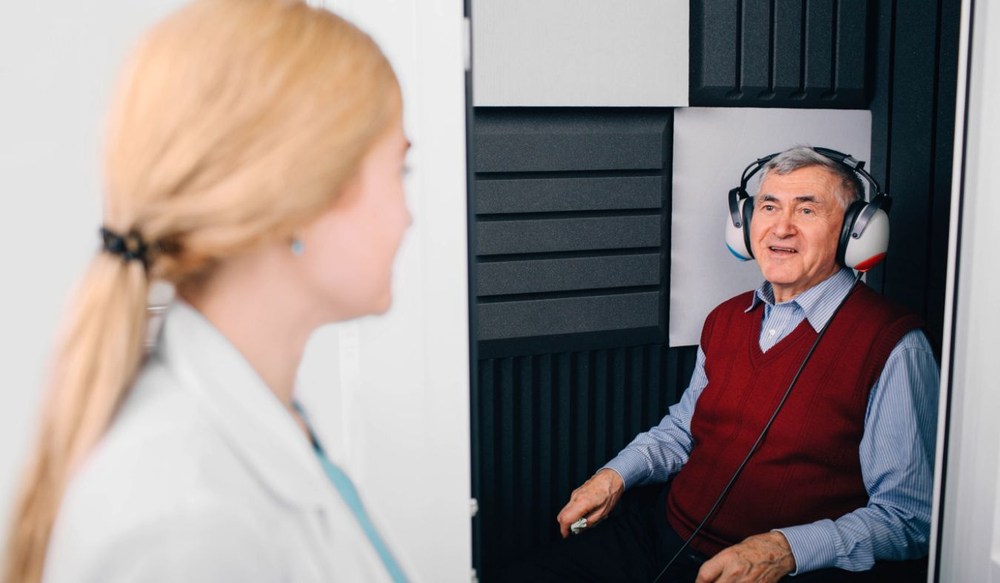
A hearing appointment is more than a quick check of your ears. It is a chance for your audiologist to understand how you hear in real life, talk through any concerns you have noticed and look at how your hearing may be affecting daily activities like conversations, work or time with family. The appointment is unhurried and focused on making sure you feel informed and comfortable throughout the process.
The specialist spend time reviewing your hearing history, noise exposure and any changes you have noticed over time. This helps give context to the testing and allows the audiologist to tailor the appointment to what matters most to you.
Once that discussion is complete, the audiologist will move into the testing portion of the visit, which includes a few common evaluations:
Once your hearing test is complete, the next step is understanding what the results actually mean for you. Hearing test results are shown in a clear visual format that reflects how softly or loudly sounds need to be before you can hear them.
Your audiologist will walk through this information with you, explaining how it connects to the situations where you may have noticed changes, such as conversations in busy places or following speech at home.
The discussion also looks at patterns rather than just numbers. Some people hear certain pitches well but struggle with others, which can explain why speech may sound unclear even when volume seems fine. The specialist will also talk about how your speech understanding compares in quiet and in more challenging settings.
This part of the appointment is focused on helping you feel informed and confident about your hearing, so you leave with a clear picture of what your results say about how you hear day to day.
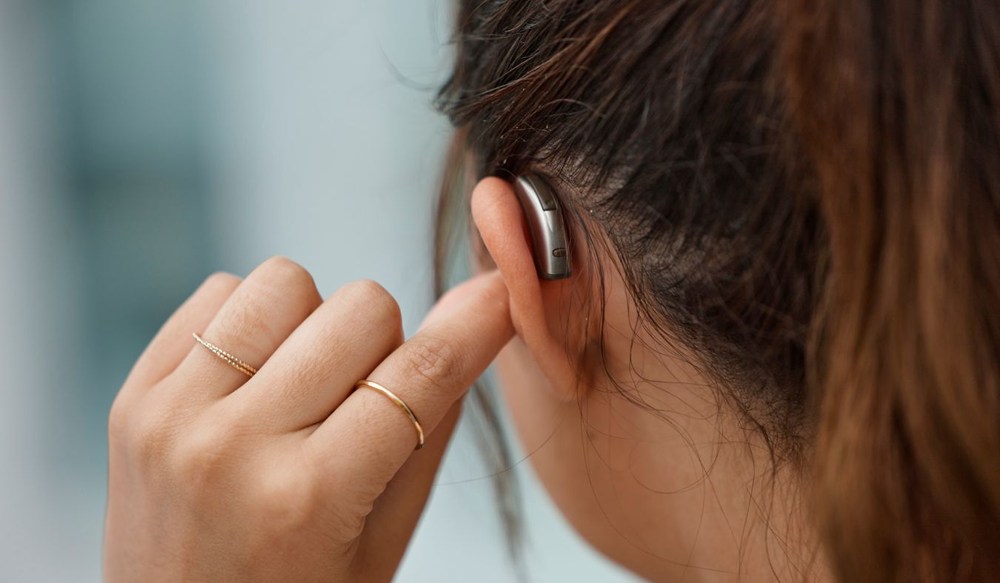
After reviewing your hearing test results, the conversation often turns to whether hearing aids could be helpful and what that might look like for you. This discussion is not about pushing a decision but about connecting the test findings to the listening challenges you described earlier.
The discussion also focuses on matching hearing aids to your lifestyle. Factors like where you spend your time, how active your days are and what listening situations matter most to you all play a part.
Different hearing aids offer different levels of technology, and the audiologist will explain those differences in clear terms so you understand what features may actually be useful for your routine.
Questions are encouraged during this part of the appointment. Many people want to know what changes they might notice, how long it can take to adjust and what kind of follow up support is involved.
Taking time to talk through these details helps you feel informed and comfortable, so any next step is based on understanding rather than uncertainty.
Keeping track of your hearing after 40 is a practical step that fits right alongside other routine health checkups. It doesn’t have to be complicated or stressful, and it gives you clarity about how your ears are doing.
When you know where your hearing stands, you can make small adjustments before challenges start affecting conversations at home, at work or in social settings. Taking action early helps you stay engaged with the people and experiences that matter most.
If you’re ready to get a clear picture of your hearing, scheduling a simple baseline test is a smart move. Ear Specialists in Omaha, NE at (402) 206-2198 can help you understand your results and discuss options if anything needs attention.
Regular check-ins give you confidence that your hearing is staying strong and let you address changes before they become more noticeable.
After 40, most of us get more intentional about health maintenance. You
By: admin | January 19, 2026
A hearing aid fitting appointment is an important step in your hearing
By: admin | November 18, 2025

Hearing loss can sometimes make everyday situations more difficult, and it
By: admin | August 21, 2025