Why You Should Get a Mid-Year Hearing Checkup
If you have spent a June evening at Charles Schwab Field cheering through


By: admin | July 26, 2026
If you have spent a June evening at Charles Schwab Field cheering through the College World Series, you know how loud that stadium actually gets.
Between the crowd noise, the PA system and a packed section yelling over every close play, it is a real workout for your ears. It is also a pretty good gut check for how well you are actually hearing these days.
The middle of the year is an easy time to let a hearing checkup slip by. Life gets busy with summer plans, and hearing changes so gradually that it is easy to miss. A mid-year checkup catches small shifts before they turn into bigger problems.
It also means you are not waiting until a visit with a professional at the end of the year to bring it up. Getting checked now means you actually know how that loud game affected you, instead of wondering.
Your appointment will start with a conversation about what you have been noticing. You might be missing parts of conversations, turning the television up or struggling more in busy places.
Your audiologist will also ask about your health, medications and any past ear problems. These details help connect the test results to what you are experiencing each day.
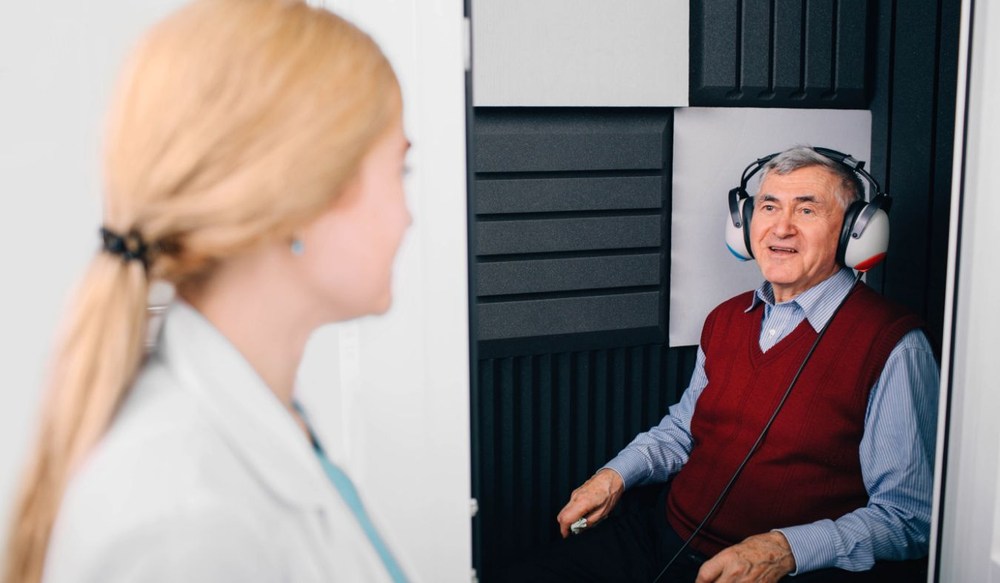
Next, your audiologist will look inside your ears to check for earwax, irritation or anything else that could affect your hearing. You will then listen to a series of sounds through headphones and respond when you hear them.
Some sounds will be easy to notice, while others will be very soft.
After the test, your audiologist will explain the results and answer your questions. You will have time to talk through any changes and what, if anything, should happen next.
Health appointments have a way of piling up near the end of the year. By then, many people are trying to use insurance benefits or fit in visits before their deductible resets. Doctor schedules can fill quickly, which makes booking an appointment harder than it needs to be.
A mid-year hearing check can help spread those visits out. It gives you time to focus on your hearing without adding another appointment to an already crowded season. You can schedule it alongside other routine care or choose a quieter part of the year that works better for you.
Making hearing checks a regular part of your health routine also makes changes easier to follow. Your audiologist can compare your results from year to year and talk with you about anything you have noticed in daily conversations, at work or in busy places.
A mid-year appointment gives you a chance to talk about how your hearing has been since your last visit. Maybe restaurants have become harder to follow or certain voices sound less distinct. You may also notice that your hearing aids are not helping as much in situations they once handled well.
Your audiologist may repeat part of the hearing test and compare the results with your earlier records. They can also check your hearing aids, clean them and make adjustments based on what you have been experiencing.
Even a small change in your hearing or daily routine can affect how the devices should be programmed.
The charts and numbers will be explained in relation to everyday sounds and conversations. Instead of leaving with test results you do not understand, you will know what changed and why it may matter.
Hearing changes often happen little by little. You may adjust the volume, move closer to the person speaking or rely on the rest of the sentence to fill in a missed word. Because these small adjustments become part of your routine, you may not realize how often you are making them.
Some common signs include:
Staying on top of changes in your hearing does more than just help you listen today. Your ears collect sound, but your brain is what actually processes those sounds into meaningful words. When you experience even mild hearing loss, the brain stops receiving certain sound frequencies.
If those pathways stay quiet for too long, the auditory nerve can forget how to process those specific sounds. Catching these shifts early keeps the brain active and used to hearing speech properly.
Identifying these changes early lets the audiologist make small adjustments to your hearing aids before you start missing out. This proactive approach makes it much easier to follow conversations at family dinners and social events.
You will not have to strain as much to understand what people are saying around you. Addressing new concerns quickly provides comfort because you know your auditory health is stable.
Keeping the lines of communication open between your ears and your brain protects your long-term communication skills.
Hearing loss can make conversations harder than they used to be. You may miss part of what someone says, ask them to repeat it or misunderstand what they meant. That can be frustrating for you and the people close to you.
Over time, you may start talking less or avoiding places where it is hard to follow the conversation.
Communication can also start to feel more frustrating for everyone involved. You may feel as though people are mumbling, while family members may think you are not listening. Repeating the same question or correcting misunderstandings can wear on both sides, even when no one means to be impatient.
Some people begin stepping back from situations that require more listening. They may skip a busy restaurant, talk less during family gatherings or stop attending activities they once enjoyed.
A hearing check can help explain why these situations have become harder and what can be done to make them easier again.
A mid-year hearing check does more than show where your hearing stands today. It can also help you make better choices during the louder months ahead. Your audiologist can explain how long you can safely stay around certain noise levels and which activities call for hearing protection.
That advice can be especially useful around Omaha and Bellevue, where summer often means yard work, outdoor events, road trips and time on the water.
The right protection depends on the situation. Earmuffs may work well for mowing, while filtered earplugs can lower concert noise without making everything sound muffled.
Your hearing test may also show that certain sounds are already harder for you to hear. Knowing that can help your audiologist recommend protection that suits your hearing, instead of relying on a basic pair of foam earplugs for every situation.
Your hearing needs may stay the same while your routine changes. You might be spending more time outdoors, attending more social events or using your phone differently than you did six months ago.
A mid-year visit gives your audiologist a chance to adjust your hearing aids to the situations you are dealing with now.
The appointment may include a thorough cleaning, new filters or domes and a check for moisture or wear. Your audiologist can also install available software updates and make sure your hearing aids are connecting properly to your phone or other devices.
Small programming changes can also make a noticeable difference.
Speech may need more emphasis in noisy places or certain sounds may feel too sharp. Fine-tuning these settings helps your hearing aids feel more useful throughout the day, rather than leaving you to work around settings that no longer suit your routine.
A mid-year visit is a good time to bring up anything you have noticed since your last appointment. Even small concerns are worth mentioning, especially if certain situations have become harder or your hearing aids sound different.
Questions you may want to ask include:
You do not need to wait until something feels seriously wrong. A few simple questions can help you understand what has changed and what may need attention.
A mid-year checkup does not take long, but it tells you a lot. It catches small changes before they turn into something you cannot ignore. It also means you are not waiting until the end of the year to deal with something you already noticed.
Ear Specialists in Bellevue or Omaha can get you in and give you a clear answer. Give us a call at (402) 206-2198 to set up a time. A quick visit now can save you a bigger headache later.
If you have spent a June evening at Charles Schwab Field cheering through
By: admin | July 26, 2026

A hearing test provides a snapshot, a controlled measurement taken in a
By: admin | June 25, 2026
After 40, most of us get more intentional about health maintenance. You
By: admin | January 19, 2026